5 Common Mistakes Parents Make When Preparing Kids for SwimSafer
If your child is swimming confidently in lessons but struggles with the SwimSafer test, it can be frustrating. But don’t worry; a failure usually doesn’t mean your child lacks swimming skills. More often than not, the issues arise from common mistakes that can be easily avoided during preparation. We’ve looked at the SwimSafer guidelines and steps to help you navigate this process and make sure your child is ready for their assessment.
Let’s talk about these common pitfalls:
Mistake 1: Diving into Stage Lessons Before Building Comfort in Water
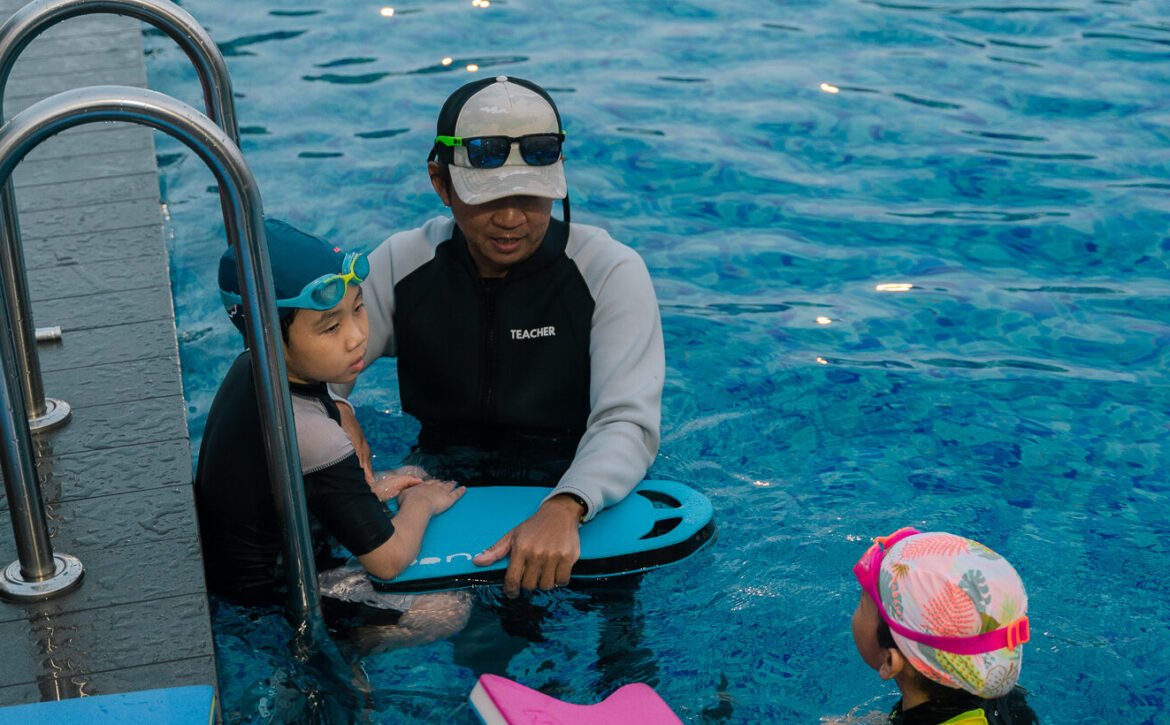
A big mistake many parents make is enrolling their child in structured swimming classes before they’ve built basic comfort in the water. Some kids are signed up for Stage 1 or 2 just because of their age, without first ensuring they can comfortably dip their face in the water, float, or be submerged for brief moments. This can lead instructors to spend the first few lessons working solely on comfort. When this foundational step gets missed, it’s no wonder some kids seem to plateau after weeks of classes.
Mistake 2. Thinking SwimSafer is Just About Swimming Distance
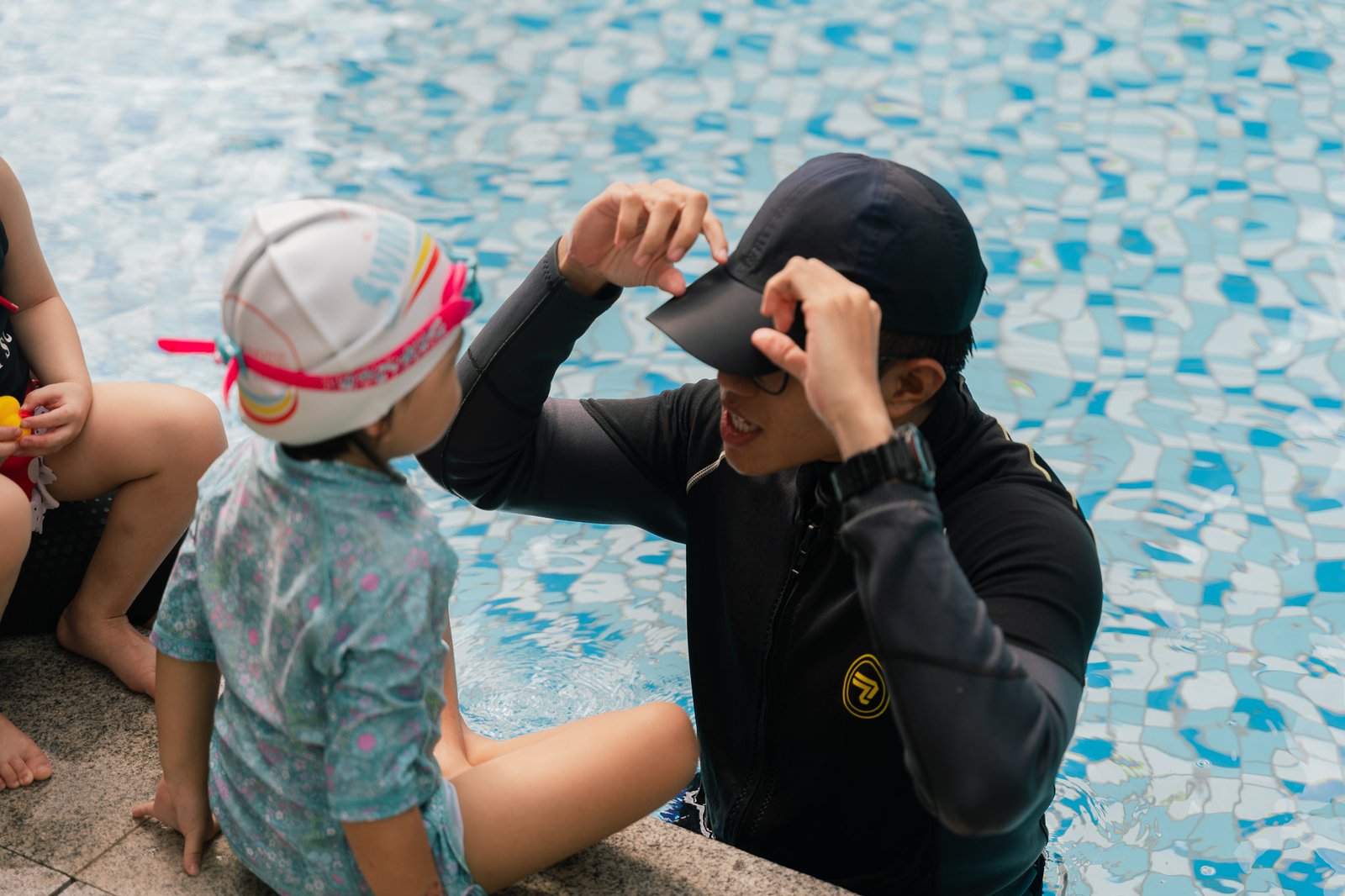
SwimSafer isn’t just a test of how far your child can swim. It’s actually a program focused on water safety and survival skills.
Starting from July 1, 2025, there will be new, stricter requirements in place. Now, independent assessors appointed by Singapore Aquatics will conduct all tests, which means that your child’s coach won’t be able to evaluate them. In order to pass, your child needs to demonstrate skills such as
- floating,
- sculling,
- performing safe entries,
- treading water, and
- signaling for help.
It’s vital to practice the entire test sequence, not just focus on swimming laps.
Mistake 3: Not Practicing in Clothes or with a PFD
If they only practice swimming in their swimsuits before the assessment, they might get a nasty shock on test day. Starting from Stage 2, skills involving clothed swimming and using a PFD become necessary, and the higher stages require they put on the PFD while treading water.
Here’s a practical approach to helping them prepare:
- Practice with Clothes: Swim in a T-shirt and shorts during a couple of regular lessons leading up to the test.
- Learn to Use a PFD: Practice putting on the PFD on land first, then in shallow water, and lastly in deeper water.
- Conduct a Mock Test: Run through the entire sequence without any interruptions.
Mistake 4: Overlooking the Environment for Assessment
Another frequent oversight is not considering how different a familiar pool might be from a public swimming complex. For instance, if your child swims well in a shallow condo pool, they might feel totally different when faced with a larger, deeper, and busier public pool used for SwimSafer assessments, like
-
Sengkang Swimming Complex or
-
Punggol Swimming Complex
To help your child feel more at ease, it’s a good idea to arrange practice sessions at these public pools to better familiarize them with the surroundings before their assessment.
Mistake 5: Delaying CAMS Assessment Registration
Last but not least, it’s crucial to book the CAMS assessment on time. Registration closes three weeks before the test date without exceptions. Starting July 1, 2025, all private assessments need to be done through the Centralised Assessment Management System (CAMS) run by Singapore Aquatics.
Here are some important CAMS rules to keep in mind:
| 1. Booking Opens Early | You can book slots up to three months in advance, so don’t wait until the last minute. |
| 2. No Late Sign-Ups | If you miss the registration window, there are no exceptions. |
| 3. No Cancellations | Make sure to choose the date carefully as it can’t be changed later. |
| 4. Coach Validation Required | Your child’s account must be linked to a recognized SwimSafer coach. |
| 5. Check Results Online | You will get results within 48 hours, and it’s best to look them up on the CAMS portal instead of relying on paper slips. |
Your Checklist for SwimSafer Test Preparation
To help avoid these mistakes, consider this checklist about 10 to 12 weeks before the assessment:
1. Confirm which SwimSafer stage your child is in and review the necessary criteria.
2. Create a CAMS account for your child and make sure their coach is linked to it.
3. Book the assessment slot early, ensuring it’s done before the three-week deadline.
4. Schedule clothed swims and PFD practice starting in week four.
5. Run through a full mock test and revise the theory quiz in the final week.
Our take: Don’t rush the test date. A child who passes SwimSafer with confident survival skills is safer for life than one who scrapes through early, so book the assessment when your child is ready, not when the next slot opens.
FAQ
How many lessons does a child usually need before attempting a SwimSafer stage?
This really depends on how comfortable the child is in the water to begin with. Generally, kids need consistent lessons over a period of 2 to 3 months per stage, although some may require longer, especially in the earlier stages.
When should I begin preparing for the SwimSafer test?
Start preparing at least one term ahead, which is about 10 to 12 weeks. Book the CAMS slot only after the coach confirms your child's readiness, as registration will be closed three weeks prior to the test date.
Can a child skip a SwimSafer stage if they’re strong swimmers?
No, each SwimSafer stage must be completed in order because each assesses specific skills that are essential for moving on.
What happens if my child doesn't pass a SwimSafer assessment?
They can simply retake the assessment after getting more practice. This won’t affect their school records negatively and is completely normal as part of learning.
Are private lessons necessary, or are group lessons sufficient?
Group lessons work well for many children, but kids who feel anxious in the water or need to catch up may benefit from a few private lessons.
At what age should a child start SwimSafer?
Most kids begin around ages 5 to 6, but the key is to ensure they have basic water comfort rather than focusing solely on their age.